
Polemonium
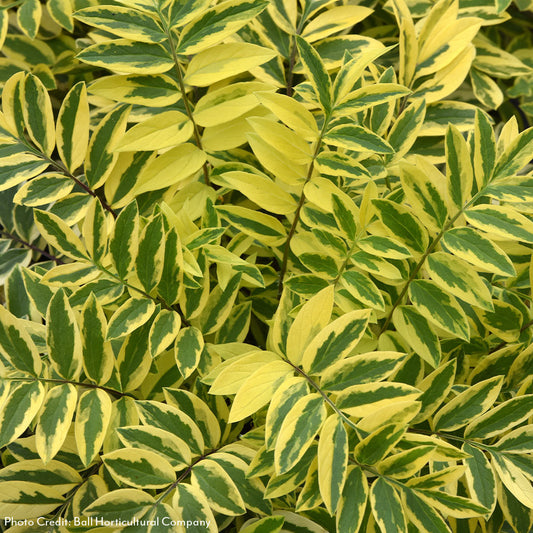
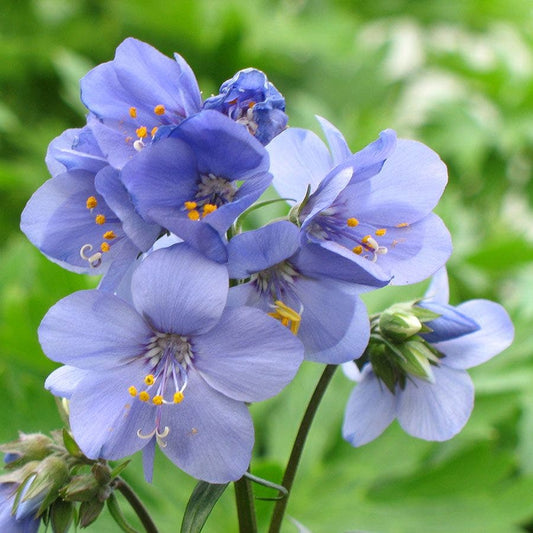
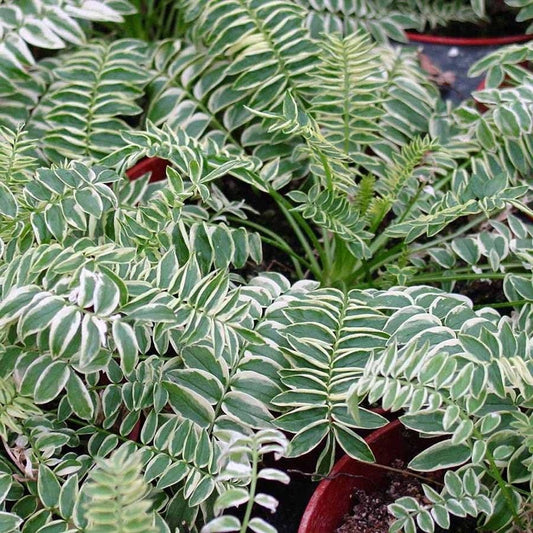
Add refined color and texture to the shade garden with Polemonium (Jacob’s Ladder). Bell-shaped spring flowers attract pollinators while distinctive ladder-like foliage creates an elegant, layered look.
-
Polemonium 'Golden Feathers' Jacob's Ladder
Regular price $29.95Regular priceUnit price per$29.95Sale price $29.95 -
Polemonium Brise d'Anjou™
Regular price $34.95Regular priceUnit price per$34.95Sale price $34.95Sold out



Polemonium
Polemonium
Polemonium, often called Jacob's Ladder, is the kind of perennial that looks distinctive through detail rather than sheer size. In a shaded or partly shaded border, that's important. Many shade plantings depend on larger leaves and heavier masses of green, which can start to feel dense if everything has the same visual weight. Polemonium changes that look. Its finely arranged foliage brings a lighter texture to the bed, and its flowers add a soft lift in spring to early summer that feels right at home in shade and part-shade gardens.
This is a particularly useful category for gardeners who want a shade planting to feel more layered and differentiated. Polemonium works near paths, at the front of a part-shade border, or tucked among hostas, ferns, and heucheras where its finer foliage can break up broader leaves. It is also a good choice for smaller garden spaces because so much of its appeal is visible up close. You don't need a sweeping landscape to appreciate it. A narrow side bed, a cool corner by the porch, or a path planting can be exactly the right setting.
For Wayside customers, Polemonium often fills a gap that bolder perennials do not. It adds grace without looking flimsy, and it helps a shade garden feel more composed without relying on flashy color. If you are building out a cooler, shadier part of the landscape, it can also be helpful to compare with Part Shade Perennials and Low Maintenance Plants as you plan the rest of the planting.
Polemonium is worth planting when you want more than another large-leafed shade perennial. It offers texture, flower detail, and a reserved kind of beauty that gives shaded spaces real depth.
FAQs
Q: What is Polemonium commonly called?
A: Polemonium is commonly called Jacob's Ladder.
Q: Where does Polemonium grow best?
A: It is best suited to part shade or shade, especially in cooler garden spots with evenly moist, well-drained soil.
Q: What makes Polemonium useful in a shade garden?
A: Gardeners value it for its delicate bloom and fine-textured foliage, which help break up heavier shade plantings and add a more layered look.
Q: What other categories pair well with Polemonium?
A: If you are building around part shade, it makes sense to compare with Part Shade Perennials and Low Maintenance Plants.